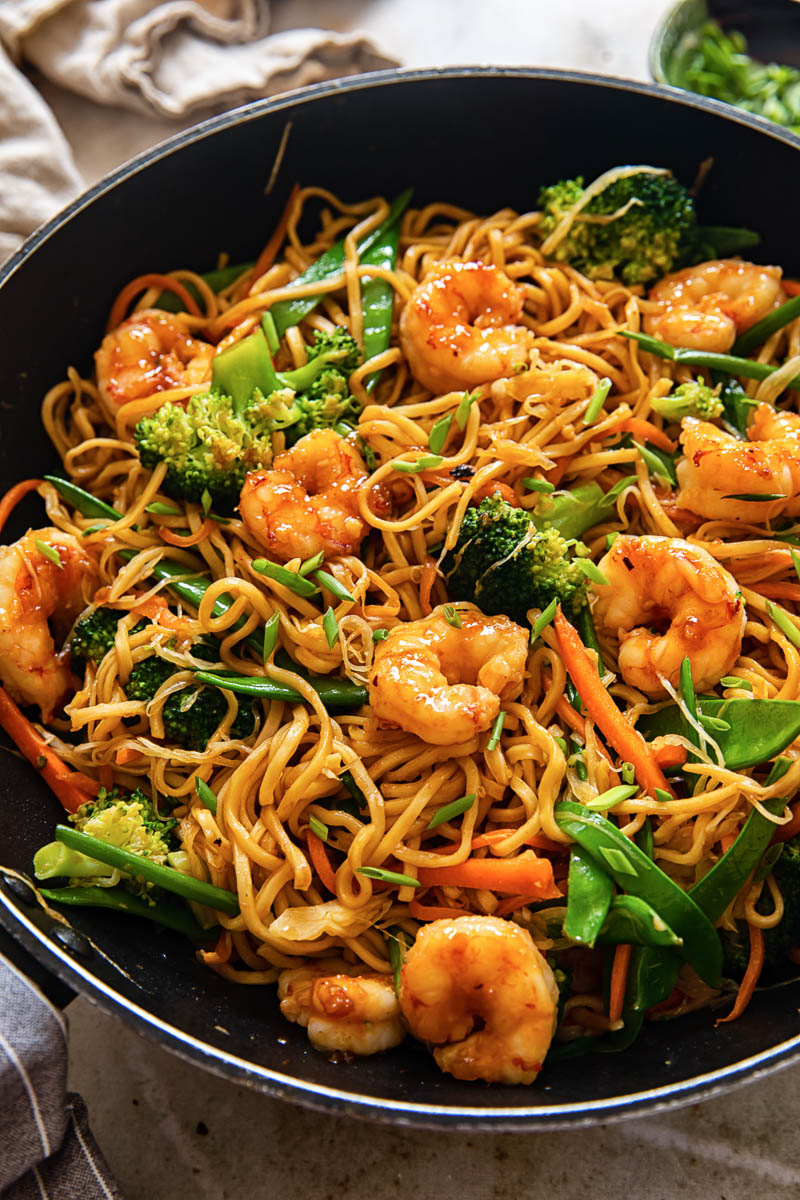
Tired of expensive takeout and long delivery waits, especially on those hectic weeknights? Imagine whipping up a dish that’s not just fast, but also explodes with authentic, restaurant-quality flavor right in your own kitchen. Enter shrimp chow mein – your new secret weapon for delicious, stress-free dinners. This beloved Chinese classic, with its succulent shrimp, crisp vegetables, and irresistibly chewy noodles bathed in a rich, umami-packed sauce, is easier to master than you might think. Say goodbye to soggy noodles and hello to a homemade stir-fry that will have your taste buds singing!
Why Homemade Shrimp Chow Mein is Your Weeknight Hero
There's a reason chow mein has captured hearts (and appetites) worldwide, and making it at home elevates the experience to a whole new level. Our easy shrimp chow mein recipe is specifically designed to fit seamlessly into even the busiest schedules, delivering a meal that’s far superior to anything you’d get delivered.
- Lightning-Fast & Super Satisfying: The beauty of stir-frying is its speed. This entire dish, from prep to plate, can be ready in under 30 minutes, making it the ultimate solution for a quick yet satisfying meal. Forget waiting an hour for delivery; you'll be eating before the driver even leaves the restaurant!
- Unleash Authentic Restaurant Flavors: You might think achieving that distinctive Chinese restaurant taste is complex, but it’s surprisingly straightforward with the right ingredients and techniques. Our recipe brings together a harmonious blend of soy, oyster, and hoisin sauces, creating a deeply savory, umami-rich base that perfectly complements the fresh shrimp and vibrant veggies. You’ll truly Make Restaurant-Quality Shrimp Chow Mein in Under 30 Minutes with this approach.
- Packed with Umami Goodness: Umami, often called the "fifth taste," is that savory, mouthwatering depth that makes you crave another bite. The combination of savory shrimp, the fermented notes of soy sauce, and the sweetness of oyster and hoisin sauces creates layers upon layers of this coveted flavor, ensuring every forkful is a delight.
- Infinitely Customizable for Every Craving: While shrimp is the star here, this dish is incredibly forgiving. No shrimp on hand? Swap it out for chicken, beef, pork, or even tofu. Want to boost your veggie intake? Load it up with extra mushrooms, snap peas, broccoli florets, or bok choy. It’s a versatile canvas for your culinary creativity.
- Budget-Friendly & Fresh: Skip the delivery fees and inflated restaurant prices. Making chow mein at home allows you to control the quality of your ingredients, ensuring freshness and often saving you a significant amount of money.
The Anatomy of Perfect Shrimp Chow Mein: Key Components & Flavor Foundation
At its heart, chow mein, which literally translates to "stir-fried noodles," is a symphony of textures and tastes. Understanding its core components is key to mastering this delicious dish.
Choosing Your Noodles Wisely
The noodles are undeniably the backbone of any great chow mein. While "fresh chow mein noodles" found in the refrigerated section of Asian markets are ideal for their superior chew and texture, you have several excellent alternatives:
- Thin Egg Noodles: Often found dried, these are a fantastic substitute. Ensure you boil them according to package directions, then rinse and toss with a little oil to prevent sticking.
- Spaghetti or Linguine: In a pinch, Italian pasta can work surprisingly well! Boil until al dente, then rinse and lightly oil.
- Ramen Noodles (without the seasoning packet): A quick and easy option for a slightly different, but still delicious, texture.
The goal is a noodle that is chewy and holds up well to the vigorous stir-frying without becoming mushy.
The Star: Succulent Shrimp
For the best results, opt for fresh, deveined shrimp. If using frozen, thaw them completely and pat them very dry before cooking. This helps them sear beautifully and prevents excess moisture from lowering the pan temperature. The key to perfectly cooked shrimp is speed – they transform from translucent to opaque and pink in just a couple of minutes per side. Overcooking will lead to a rubbery texture, which is the nemesis of any good seafood dish.
Vibrant Vegetables for Crunch and Color
A mix of crunchy, colorful vegetables not only adds essential nutrients but also provides a delightful textural contrast to the soft noodles and shrimp. Classic choices include:
- Shredded cabbage and carrots
- Sliced bell peppers (any color)
- Crisp snap peas
- Thinly sliced onions or scallions
- Broccoli florets or baby bok choy
The trick is to cut them into similar sizes so they cook evenly and retain a slight crunch.
The Umami-Rich Sauce: The Soul of Chow Mein
The sauce is where the magic truly happens, transforming simple ingredients into an irresistible feast. Our signature blend typically includes:
- Soy Sauce: A foundational element providing salty, savory depth. Consider using a mix of light and dark soy sauce for color and nuanced flavor.
- Oyster Sauce: This provides a unique, sweet-savory umami punch that is characteristic of many Chinese stir-fries.
- Hoisin Sauce: A thick, sweet, and tangy sauce that adds body and a lovely glaze.
- Sesame Oil: Added at the end, it imparts a nutty aroma and flavor.
- A Touch of Sugar or Honey: Balances the savory elements and promotes caramelization.
- Rice Vinegar: A hint of acidity brightens the overall profile.
- Cornstarch Slurry: Thickens the sauce, helping it cling beautifully to the noodles and other ingredients.
Mastering Your Stir-Fry: Essential Tips for Ultimate Success
While making shrimp chow mein is straightforward, a few expert tips will elevate your dish from good to absolutely phenomenal. To truly Master Homemade Shrimp Chow Mein: Tips for Ultimate Umami Flavor, pay attention to these crucial steps:
- The Golden Rule: Mise en Place! Stir-frying is a rapid-fire cooking method. There's no time to chop vegetables or measure sauces once the heat is on. Have all your ingredients prepped, chopped, measured, and within arm's reach before you even turn on the stove. This ensures a smooth, stress-free cooking process.
- High Heat is Non-Negotiable: Authentic stir-fry demands high heat. This isn't just about cooking fast; it's about achieving that desirable "wok hei" – the smoky, slightly charred flavor that's the hallmark of perfectly stir-fried dishes. High heat also prevents vegetables from steaming and becoming soggy, ensuring they retain their crisp texture. Use a large wok or the biggest skillet you have.
- Don't Crowd the Pan: Overfilling your wok or skillet will dramatically drop the temperature, causing your ingredients to steam rather than stir-fry. Cook in batches if necessary, especially the shrimp and sometimes the vegetables, combining everything at the end.
- Noodle Prep Perfection: If using fresh noodles, they often just need a quick blanch or rinse. For dried noodles, cook them al dente, then rinse immediately with cold water to stop cooking and remove excess starch. Toss lightly with a teaspoon of neutral oil (like vegetable or canola) to prevent them from sticking together.
- Shrimp Savvy: Cook the shrimp first, just until they're opaque and pink, about 1-2 minutes per side. Remove them from the pan and set aside. They'll finish cooking when you toss them back in with the sauce, preventing them from becoming tough and rubbery.
- Sauce Strategy: The sauce should be added in the final couple of minutes of cooking. If added too early, the high heat can reduce it too much, making it overly thick or salty. Adding it at the end allows it to coat the noodles and vegetables beautifully while thickening just enough.
- Taste and Adjust: Don't be afraid to taste your sauce and the finished dish. Want more sweetness? Add a touch more honey or hoisin. Prefer it spicier? A dash of red chili flakes, sriracha, or chili crisp at the end can elevate the heat.
- Embrace Variations: Beyond protein swaps, consider adding different textures. Water chestnuts or bamboo shoots for extra crunch, or even a sprinkle of toasted peanuts for a nutty dimension.
Storing and Reheating Your Delicious Leftovers
While this shrimp chow mein is undoubtedly best enjoyed fresh, especially for the optimal texture of the shrimp, you can store leftovers for a day or two. To prevent the shrimp from becoming rubbery upon reheating, a smart tip is to cook extra noodles and veggies, and only add fresh shrimp when you're ready to serve another portion. However, if you do have a complete dish leftover, here’s how to handle it:
- To Store: Allow the chow mein to cool completely, then transfer it to an airtight container. Refrigerate promptly for 3-4 days.
- To Reheat: Heat a skillet or wok over medium-high heat with a tiny bit of oil. Add the cooled chow mein and stir-fry for 3-4 minutes, tossing frequently, until heated through. If the noodles seem a bit dry, add a splash of water or a little extra soy sauce to loosen them up and rehydrate.
A Glimpse into Chow Mein's Rich History
Chow Mein isn't just a dish; it's a culinary journey. This "stir-fried noodles" originated thousands of years ago in Northern China. While its exact lineage is somewhat veiled in history, it's widely believed to have traveled with Chinese traders and immigrants, first to India, where local ingredients led to delicious adaptations, and then eventually to the United States. Each stop on its global journey added a unique twist, transforming it into the diverse and beloved dish we recognize today. From bustling street carts to elegant restaurant tables, chow mein's comforting appeal has truly stood the test of time.
So, are you ready to ditch the takeout menu and discover the joy of making your own Easy & Delicious Shrimp Chow Mein? With fresh ingredients, a fantastic sauce, and these essential tips, you'll be serving up a restaurant-quality meal that’s faster and fresher than any delivery. Get ready to impress your family and yourself with this incredibly flavorful and satisfying dish – perfect for any busy weeknight!
