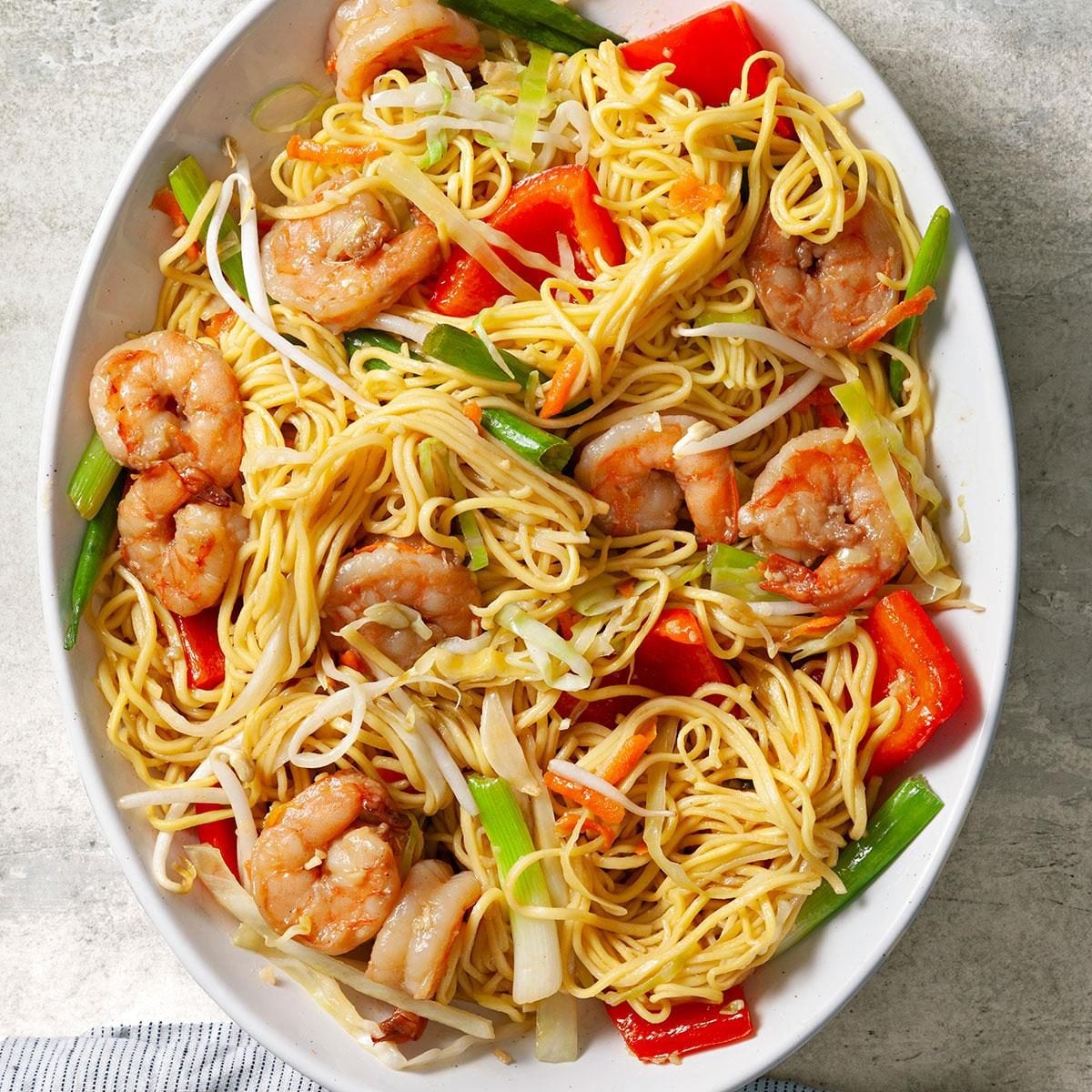
Master Homemade Shrimp Chow Mein: Tips for Ultimate Umami Flavor
Tired of ordering takeout and waiting for delivery? Imagine bringing the vibrant, savory, and incredibly satisfying flavors of your favorite Chinese restaurant right into your own kitchen. Mastering homemade
shrimp chow mein is not only achievable but also surprisingly quick, easy, and undeniably delicious. This classic dish, with its origins tracing back thousands of years to Northern China where "chow mein" literally translates to "stir-fried noodles," has evolved into a global favorite. Our mission today is to equip you with all the tips and tricks to create a
shrimp chow mein that boasts ultimate umami flavor, transforming your weeknight dinners and making you rethink ever calling for delivery again.
Why Homemade Shrimp Chow Mein is Your New Go-To
There's a reason why homemade
shrimp chow mein is rapidly becoming a staple for many culinary enthusiasts. Beyond the sheer joy of cooking, it offers a wealth of benefits that elevate it above typical takeout options.
Unbeatable Convenience for Busy Lifestyles
One of the most compelling reasons to embrace homemade
shrimp chow mein is its incredible speed. This dish can be on your table in under 30 minutes, making it an ideal candidate for even the busiest weeknights. Forget the typical 45-minute to an hour wait for delivery, not to mention the added fees. With a little pre-planning, you can whip up a fresh, hot, and satisfying meal faster than you can browse a takeout menu. This convenience is a game-changer for families and individuals alike, proving that quick meals don't have to compromise on flavor or quality. For more on making quick chow mein, explore our guide on
Easy & Delicious Shrimp Chow Mein: Perfect for Busy Weeknights.
Authentic Flavor That Rivals Your Favorite Takeout
Many believe that restaurant-quality Chinese food is an elusive art best left to professional chefs. However, with the right ingredients and techniques, you can achieve an authentic flavor profile in your own kitchen that will astonish your taste buds. The secret lies in the layered umami taste – a rich, savory depth that tantalizes the palate. In
shrimp chow mein, this umami goodness comes from a masterful blend of sauces like soy, oyster, and hoisin, complemented by the natural savoriness of succulent shrimp and crisp-tender vegetables. Each bite offers a harmonious balance of sweet, salty, and savory, creating an endlessly satisfying experience.
Unleash Your Inner Chef with Customization
Another significant advantage of cooking at home is the freedom to customize. While
shrimp chow mein is phenomenal, it's also incredibly versatile.
- Protein Swaps: No shrimp on hand, or prefer something different? Feel free to substitute with chicken, beef, pork, or even plant-based options like tofu or tempeh.
- Vegetable Variations: Load up on your favorite greens and crisp vegetables. Common additions include shredded cabbage, carrots, bell peppers, snap peas, broccoli florets, mushrooms, or bok choy. This not only boosts nutrition but also allows you to tailor the dish to your preference or what’s fresh in your fridge.
- Dietary Adjustments: Easily accommodate dietary needs by using gluten-free soy sauce, reducing sugar content, or increasing the vegetable ratio for a lighter meal.
Secrets to Crafting the Perfect Shrimp Chow Mein: Essential Tips and Techniques
While preparing
shrimp chow mein is straightforward, a few key techniques can elevate your dish from good to unforgettable. These professional tips ensure optimal texture, flavor, and that sought-after restaurant-quality finish.
The Noodle Foundation: Choosing and Preparing
The noodles are the heart of any chow mein, and their texture is paramount.
- Fresh is Best: For the ultimate chewy texture, seek out fresh chow mein noodles, often found in the refrigerated section of Asian supermarkets.
- Viable Alternatives: If fresh chow mein noodles aren't available, thin egg noodles make an excellent substitute. In a pinch, even spaghetti or ramen noodles can work, though they'll yield a slightly different texture. Ensure you cook them al dente, as they will continue to cook briefly in the stir-fry.
- Pre-Cook Precisely: Always cook your chosen noodles according to package directions, but aim for slightly undercooked if they're going into a stir-fry. Rinse them under cold water immediately after draining to stop the cooking process and prevent sticking, then toss with a tiny bit of sesame oil to keep them separated.
Mastering the Stir-Fry: Heat, Prep, and Timing
Stir-frying is a rapid cooking method that demands attention to detail.
- High Heat is Non-Negotiable: Stir-frying requires high heat to achieve that signature slight char on the vegetables and noodles, contributing to a smoky depth of flavor often referred to as "wok hei." Use a large wok or a heavy-bottomed pan, and let it get *really* hot before adding oil.
- The Golden Rule of Prep (Mise en Place): Stir-fries cook incredibly fast. This means all your ingredients – chopped vegetables, measured sauces, and peeled shrimp – must be prepped and ready to go *before* you turn on the heat. Once cooking begins, there's no time to chop or measure.
- Shrimp Perfection: Overcooked shrimp is rubbery shrimp, and it can ruin your entire dish. Shrimp only needs about 1-2 minutes per side, or until it turns opaque and pink. Remove it from the pan as soon as it's cooked through to prevent it from seizing up. You can often cook it first and set it aside, adding it back in at the very end.
The Umami Symphony: Sauce Balance and Application
The sauce is what brings all the components of your
shrimp chow mein together, creating a symphony of flavor.
- Synergy of Sauces: The classic trio of soy sauce (for saltiness and depth), oyster sauce (for rich umami and slight sweetness), and hoisin sauce (for sweet, tangy, and savory notes) is essential.
- Adjust to Taste: Don't be afraid to taste and adjust the sauce. If you prefer a sweeter profile, a touch more honey or hoisin can be added. For more savoriness, a splash more soy sauce.
- Strategic Sauce Addition: Add the sauce in the last couple of minutes of cooking. If you introduce it too early, the high heat will cause it to reduce too much, potentially becoming overly concentrated or sticky. Adding it at the end ensures it coats the noodles and vegetables beautifully without burning off. For desired thickness, a cornstarch slurry (cornstarch mixed with a bit of cold water) can be stirred into the sauce before adding it to the wok.
Elevate Your Shrimp Chow Mein: Beyond the Basic Recipe
Once you've mastered the fundamentals, you can easily take your
shrimp chow mein to the next level with a few simple additions and thoughtful considerations.
Spice It Up!
For those who crave a kick, introducing heat is simple. Stir in some red chili flakes with your vegetables, drizzle sriracha sauce over the finished dish, or add a spoonful of chili crisp for texture and a complex spicy flavor. These elements can be integrated during the stir-fry process or served as optional toppings, allowing everyone to customize their spice level.
Flavor Boosters and Creative Additions
Little touches can make a big difference. A final drizzle of toasted sesame oil just before serving adds a nutty aroma and flavor. Garnishing with freshly chopped green onions and a sprinkle of sesame seeds provides both visual appeal and a fresh bite. Don't forget the aromatic foundation: starting your stir-fry by sautéing minced garlic and ginger for 30 seconds before adding vegetables will build incredible depth of flavor. For even more ways to achieve perfection, refer to our article:
Make Restaurant-Quality Shrimp Chow Mein in Under 30 Minutes.
Smart Storage and Reheating for Optimal Enjoyment
While
shrimp chow mein is best enjoyed fresh, understanding how to store and reheat it correctly is important. Since shrimp can turn rubbery when reheated, a common tip is to cook fresh shrimp for any leftovers you plan to eat later, storing only the noodles and vegetables. However, if you do have leftovers:
- To Store: Allow the dish to cool completely. Transfer it to an airtight container and refrigerate for 3-4 days.
- To Reheat: Heat a wok or large pan over medium-high heat. Add the leftovers and stir-fry for 3-4 minutes, tossing frequently until heated through. If the noodles appear dry, add a splash of soy sauce or water to rehydrate them. This method helps restore some of the wok-fried texture.
In conclusion, mastering homemade
shrimp chow mein is a culinary journey that promises incredibly satisfying rewards. By understanding the importance of proper noodle choice, perfecting your stir-fry technique with high heat and meticulous prep, and balancing your umami-packed sauce, you can consistently achieve restaurant-quality results in your own kitchen. This easy, customizable, and quick dish is not just a meal; it's an experience that offers unparalleled flavor and convenience, making takeout a distant memory. So, gather your ingredients, fire up your wok, and prepare to delight in the ultimate umami flavor of your very own
shrimp chow mein.