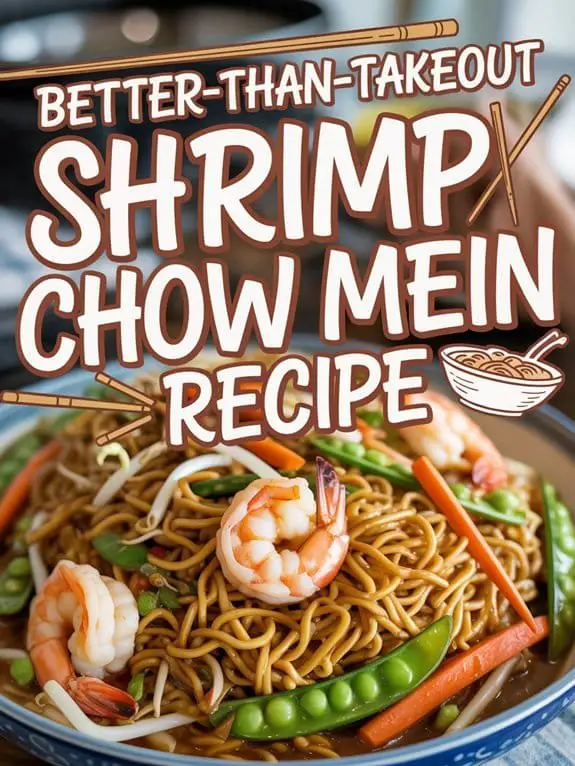
Why Your Kitchen is the New Go-To for Shrimp Chow Mein
Imagine sinking your teeth into a bowl of perfectly cooked, succulent shrimp, crisp-tender vegetables, and irresistibly chewy noodles, all coated in a rich, umami-packed sauce. Now, imagine doing all that in less time than it takes for takeout to arrive. That's the promise of homemade
shrimp chow mein, a dish so satisfying and delicious, you might just break up with your favorite Chinese delivery spot. This isn't just a meal; it's an experience that brings authentic, restaurant-quality flavors right to your kitchen table in under 30 minutes.
Say Goodbye to Takeout!
Forget the waiting, the delivery fees, and the potential for a less-than-fresh meal. Crafting your own
shrimp chow mein at home is surprisingly quick and remarkably simple, making it the perfect solution for busy weeknights. Our recipe is designed to be faster than you'd ever expect, delivering a truly gourmet experience without the gourmet effort. You're in control of the ingredients, ensuring freshness and quality that often surpasses even the best takeout options. The harmony of flavors and textures – from the tender shrimp to the crunchy vegetables and springy noodles – creates a meal that’s endlessly satisfying and wonderfully balanced.
The Magic of Umami in Every Bite
What makes great
shrimp chow mein truly unforgettable? It's the profound depth of flavor, often described as umami. This savory "fifth taste" is what makes each mouthful so incredibly satisfying. Our carefully balanced sauce is the cornerstone of this umami explosion, blending soy sauce, rich oyster sauce, and sweet hoisin sauce. These foundational ingredients, combined with the natural savoriness of perfectly cooked shrimp and the fresh zing of stir-fried vegetables, create layers of taste that dance on your palate. The result is a complex, rich, and deeply flavorful dish that tastes like it came straight from a professional kitchen.
Endless Customization at Your Fingertips
One of the most appealing aspects of homemade
shrimp chow mein is its incredible versatility. Don't have shrimp on hand, or prefer a different protein? No problem! This recipe is wonderfully adaptable. You can easily swap the shrimp for thinly sliced chicken, tender beef, lean pork, or even hearty tofu for a vegetarian twist. For those looking to boost their veggie intake, feel free to load it up with extra mushrooms, crisp snap peas, vibrant broccoli florets, bell peppers, carrots, or bok choy. Each addition only enhances the dish, making it perfect for utilizing whatever fresh produce you have in your fridge. It's truly a customizable canvas for your culinary creativity.
Mastering the Art of Homemade Shrimp Chow Mein: Essential Tips for Success
While preparing
shrimp chow mein is straightforward, a few key techniques can elevate your dish from good to absolutely phenomenal. These insights ensure you achieve that coveted restaurant-quality taste and texture every single time.
The Noodle Nook: Choosing Your Base
The foundation of any great chow mein is, of course, the noodles. For the absolute best texture, opt for
fresh chow mein noodles, which offer an unparalleled chewiness. However, don't despair if fresh noodles aren't available; you have excellent alternatives. Thin egg noodles work beautifully, and even common pantry staples like spaghetti or ramen noodles can be transformed into delicious chow mein. The trick is to cook them al dente – slightly firm to the bite – as they will continue to cook in the stir-fry. Once cooked, rinse them under cold water to prevent sticking and remove excess starch, ensuring they separate beautifully in the wok.
Mise en Place: Your Secret Weapon
Stir-frying is a rapid-fire cooking method, so speed and efficiency are paramount. This is where "mise en place" – having all your ingredients chopped, measured, and ready to go before you even turn on the heat – becomes your culinary superpower. The entire cooking process, once you start, happens in a flash. There won't be time to chop garlic or measure soy sauce mid-fry, so meticulous preparation is key to a stress-free and successful stir-fry.
Perfecting Your Shrimp: A Delicate Balance
Shrimp are delicate creatures that cook incredibly quickly. The most common mistake is overcooking them, which turns them rubbery and unappetizing. Shrimp typically only require about 1-2 minutes per side, just until they turn pink and opaque. To ensure a beautiful sear and prevent sticking, pat your shrimp dry with paper towels before cooking. Remove them from the pan as soon as they're done, even if other ingredients still need cooking, and reintroduce them briefly at the very end to warm through. This ensures they remain succulent and tender.
Heat is Your Friend: The Stir-Fry Principle
A truly authentic stir-fry demands high heat. This intense temperature is crucial for achieving that characteristic slight char on the vegetables and imparting a smoky, "wok hei" flavor – often translated as the "breath of the wok." High heat quickly caramelizes the natural sugars in the vegetables and proteins, locking in their crisp texture and enhancing their flavors. Ensure your wok or large skillet is smoking hot before adding ingredients, and don't overcrowd the pan, which can lower the temperature and lead to steaming rather than frying.
Crafting the Ultimate Chow Mein Sauce
The sauce is the soul of your
shrimp chow mein. Achieving the perfect balance of savory, sweet, and umami is essential. While our recipe provides a fantastic starting point, don't be afraid to adjust it to your personal taste. A little more honey or hoisin can boost sweetness, while a splash more soy sauce can deepen the savory notes. Always mix your sauce ingredients in a separate bowl *before* you start cooking, making it easy to pour in when the time is right. Crucially, add the sauce only in the last couple of minutes of cooking. If you let it cook too long on high heat, it will reduce too much and lose its vibrant flavor and consistency.
Spice It Up (or Not!)
If you enjoy a bit of heat,
shrimp chow mein is incredibly receptive to a spicy kick. For an extra layer of flavor and warmth, sprinkle red chili flakes into the stir-fry, drizzle with Sriracha sauce, or dollop some chili crisp on top when serving. Freshly sliced chilies can also provide a vibrant, fiery element. Feel free to customize the spice level to suit your preference, turning a comforting meal into an exhilarating one. For more detailed advice on perfecting your homemade Asian dishes, you might find
Master Homemade Shrimp Chow Mein: Tips for Ultimate Umami Flavor incredibly helpful.
Beyond the Recipe: A Glimpse into Chow Mein's Rich History
The term "Chow Mein" literally translates from Cantonese as "stir-fried noodles," a simple yet accurate description of this beloved dish. While its exact origins are somewhat speckled and not fully documented, most culinary historians agree that chow mein likely originated in Northern China thousands of years ago. It began as a humble, hearty meal, providing sustenance to laborers and families.
From Northern China to Your Dinner Table
The journey of chow mein from ancient China to kitchens worldwide is a fascinating one. In the late 1700s and early 1800s, as Chinese traders and immigrants moved across Asia and eventually to Western countries, they brought their culinary traditions with them. When Chinese communities established themselves in places like India, they adapted their traditional recipes, incorporating local ingredients. This fusion led to new variations, enriching the dish's flavor profile and expanding its reach. Later, Chinese immigrants brought chow mein to the United States, particularly during the California Gold Rush, where it quickly became a staple in Chinese-American restaurants. Over time, it evolved further, with different regions and communities developing their unique interpretations, from the crispy noodles popular in some parts of America to the softer, stir-fried versions found elsewhere. This rich history underscores the dish's adaptability and enduring appeal.
Storing and Reheating Your Delectable Shrimp Chow Mein
While the allure of immediate consumption is strong, sometimes leftovers are inevitable. Proper storage and reheating can help maintain the quality of your homemade
shrimp chow mein, though with shrimp, there are a few considerations.
Keep it Fresh: The Best Way to Enjoy Leftovers
Due to the delicate nature of shrimp, it’s highly recommended to enjoy your
shrimp chow mein fresh off the wok for the best texture and flavor. Shrimp can become rubbery when reheated, which is why many chefs suggest cooking fresh shrimp each time. If you anticipate having leftovers, consider cooking the shrimp separately and adding them only to the portion you plan to eat immediately. For any remaining noodles and vegetables, store them in an airtight container in the refrigerator for 3-4 days.
When you're ready to reheat, the best method is to stir-fry the cooled leftovers for 3-4 minutes over medium-high heat. If the noodles appear dry, add a splash of soy sauce or water to rehydrate them and help create a fresh consistency. Avoid microwaving, as it can often lead to a less desirable, softer texture. Reheating on the stovetop ensures the noodles regain some of their chewiness and the vegetables retain a hint of their crispness. Making dishes like this part of your weekly rotation is simple when you follow easy guides such as
Easy & Delicious Shrimp Chow Mein: Perfect for Busy Weeknights.
Embrace the joy of creating a restaurant-worthy meal right in your own kitchen. With these tips and a little practice, your homemade
shrimp chow mein will be a delightful, quick, and satisfying dish that consistently outperforms takeout. So grab your wok, gather your ingredients, and get ready to impress your taste buds with this incredible Asian classic!